
 Finland · Shooting stars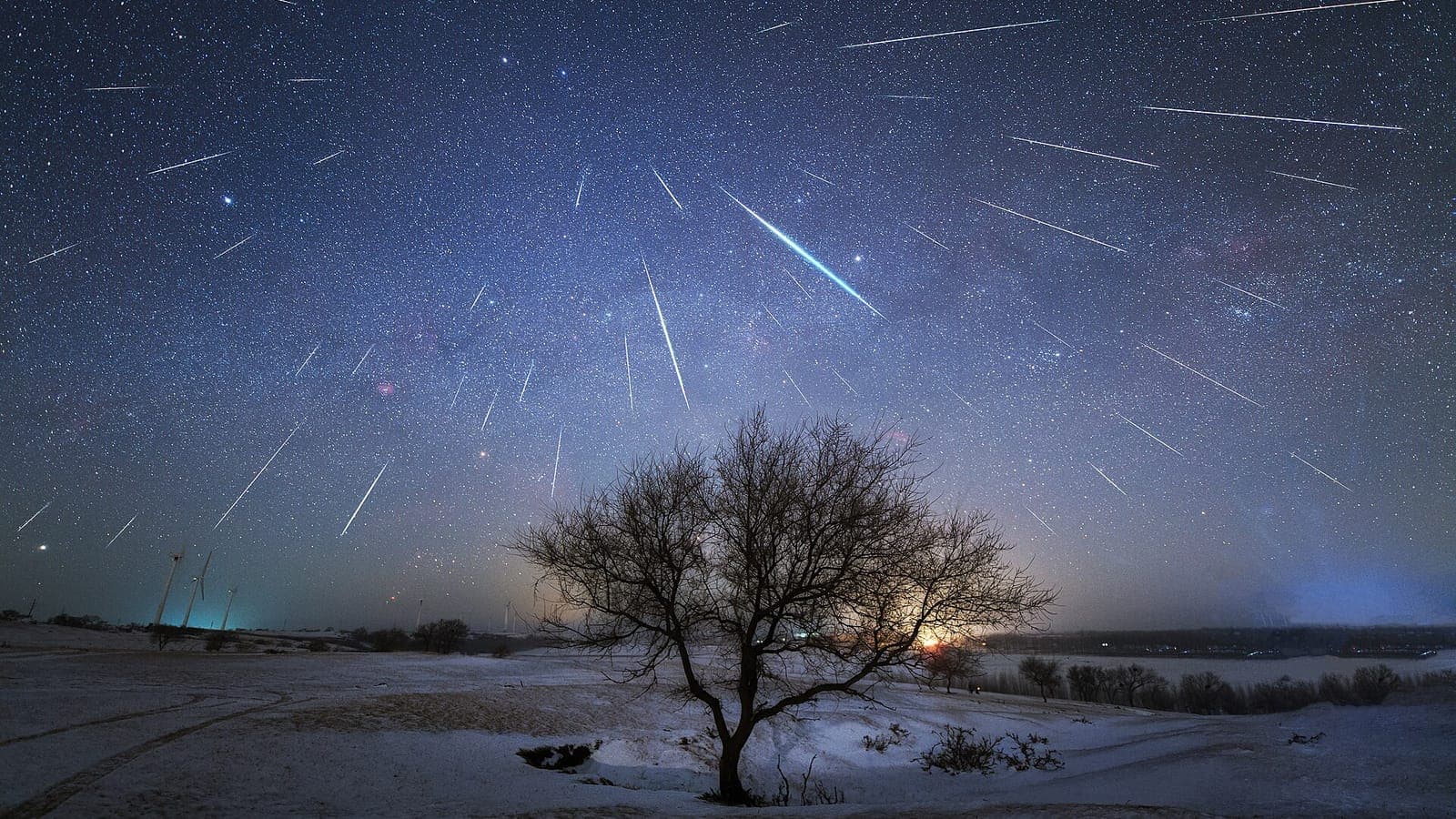
On the night into Thursday 22 October is one of the year's good nights for shooting stars. the Orionids peak, and under a truly dark sky you can see up to 20 meteors an hour – fewer in practice, but still enough to make it worth going out.
The Moon and the darkness
The Moon is 80 % lit and brightens the sky a lot. Only the brightest meteors will be visible – but the biggest fireballs outshine even a full moon.
It is dark enough from about 19:25 until 06:45.
Most shooting stars are usually seen after midnight, when our side of Earth turns into the stream.
Where should you look?
The shooting stars seem to come from a point towards the south, but they can appear anywhere in the sky. Look a little to the side of that point – that is where you see the longest trails.
Lie down on a mat or a garden lounger so you can see most of the sky. No binoculars needed – your eyes are the best instrument for shooting stars.
Good dark places include Nuuksio, Urho Kekkonen and Pallas-Yllästunturi.
The next major meteor shower is the Leonids, peaking Wednesday 18 November.