
 New Zealand · Shooting stars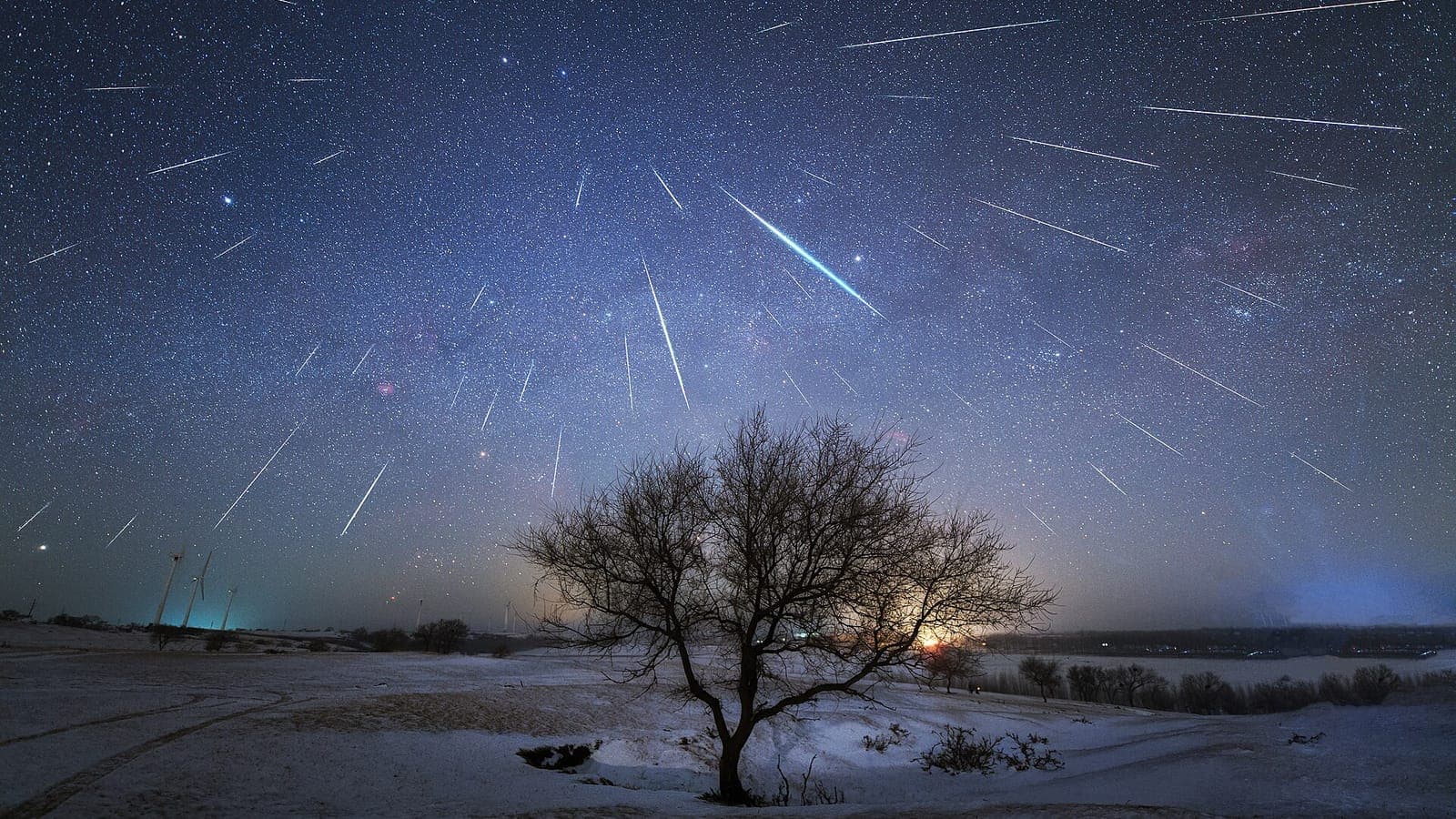
Every year, Earth crosses a trail of dust left behind by 1P/Halley, and on the night into Thursday 22 October we hit the densest part. The grains, rarely bigger than a grain of sand, burn up in the atmosphere at 66 kilometres per second and become the Orionids.
The Moon and the darkness
The Moon is 77 % lit and brightens the sky a lot. Only the brightest meteors will be visible – but the biggest fireballs outshine even a full moon.
It is dark enough from about 20:41 until 05:29.
Most shooting stars are usually seen after midnight, when our side of Earth turns into the stream.
Where should you look?
The shooting stars seem to come from a point towards the north, but they can appear anywhere in the sky. Look a little to the side of that point – that is where you see the longest trails.
Lie down on a mat or a garden lounger so you can see most of the sky. No binoculars needed – your eyes are the best instrument for shooting stars.
Good dark places include Aoraki Mackenzie Dark Sky Reserve, Rakiura (Stewart Island) and Naseby.
The next major meteor shower is the Leonids, peaking Wednesday 18 November.