
When the snow retreats up the mountains in spring, elk follow it into high country. In fall they turn the other way, drifting down to sheltered, lower ranges. Along the way they grow a thicker coat of hair in fall, which insulates them through the cold months, and their gray or lighter winter coloring replaces the reddish summer coat.
In winter they favor wooded areas, where food is easier to find. Their diet shifts to tree bark such as cedar and hemlock, and they also eat mosses and lichens. In late winter and early spring, falling testosterone causes the antlers to shed, so bulls carry bare pedicles as the season turns.
 Nature today
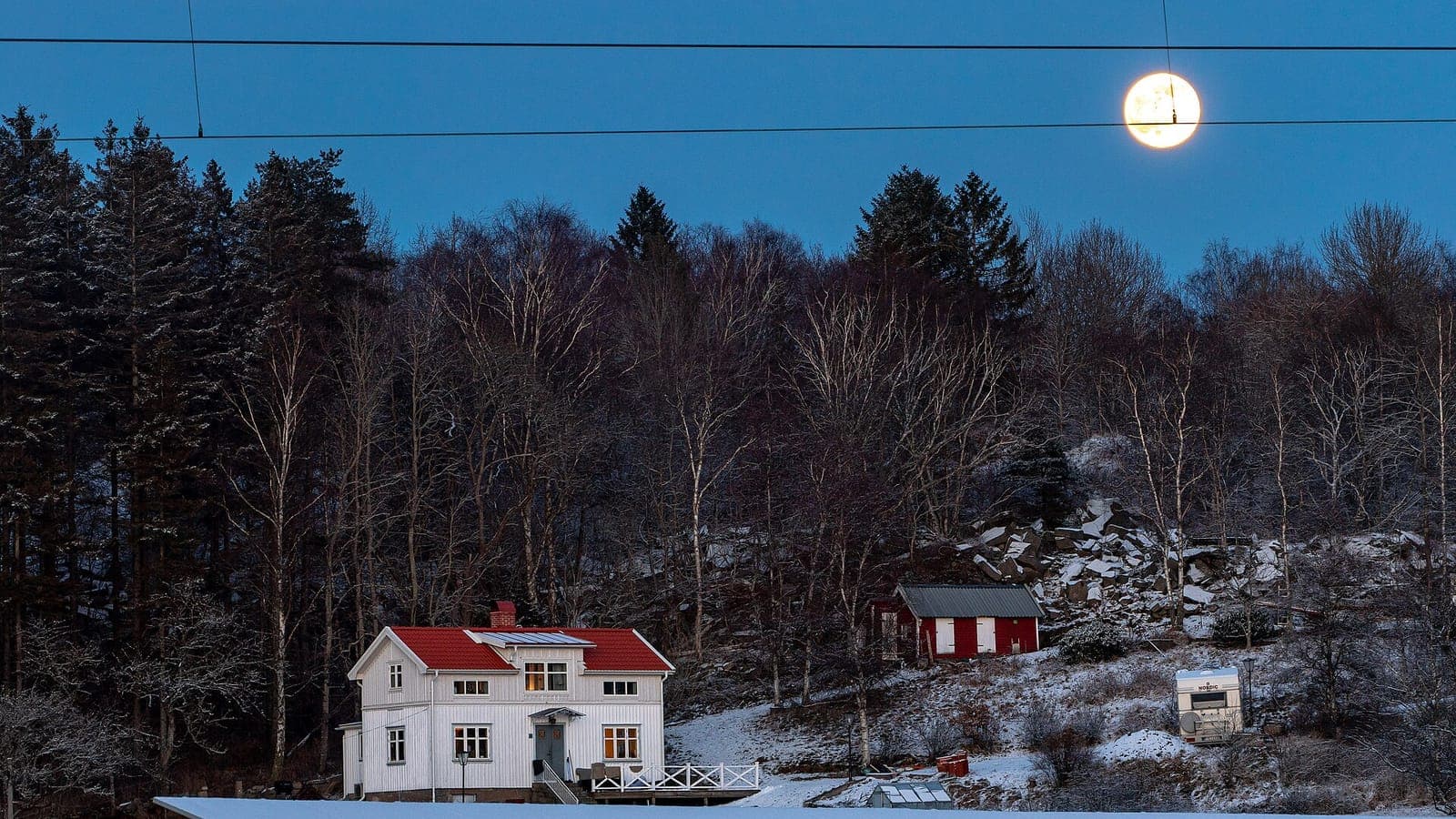
 Full moon