
 Argentina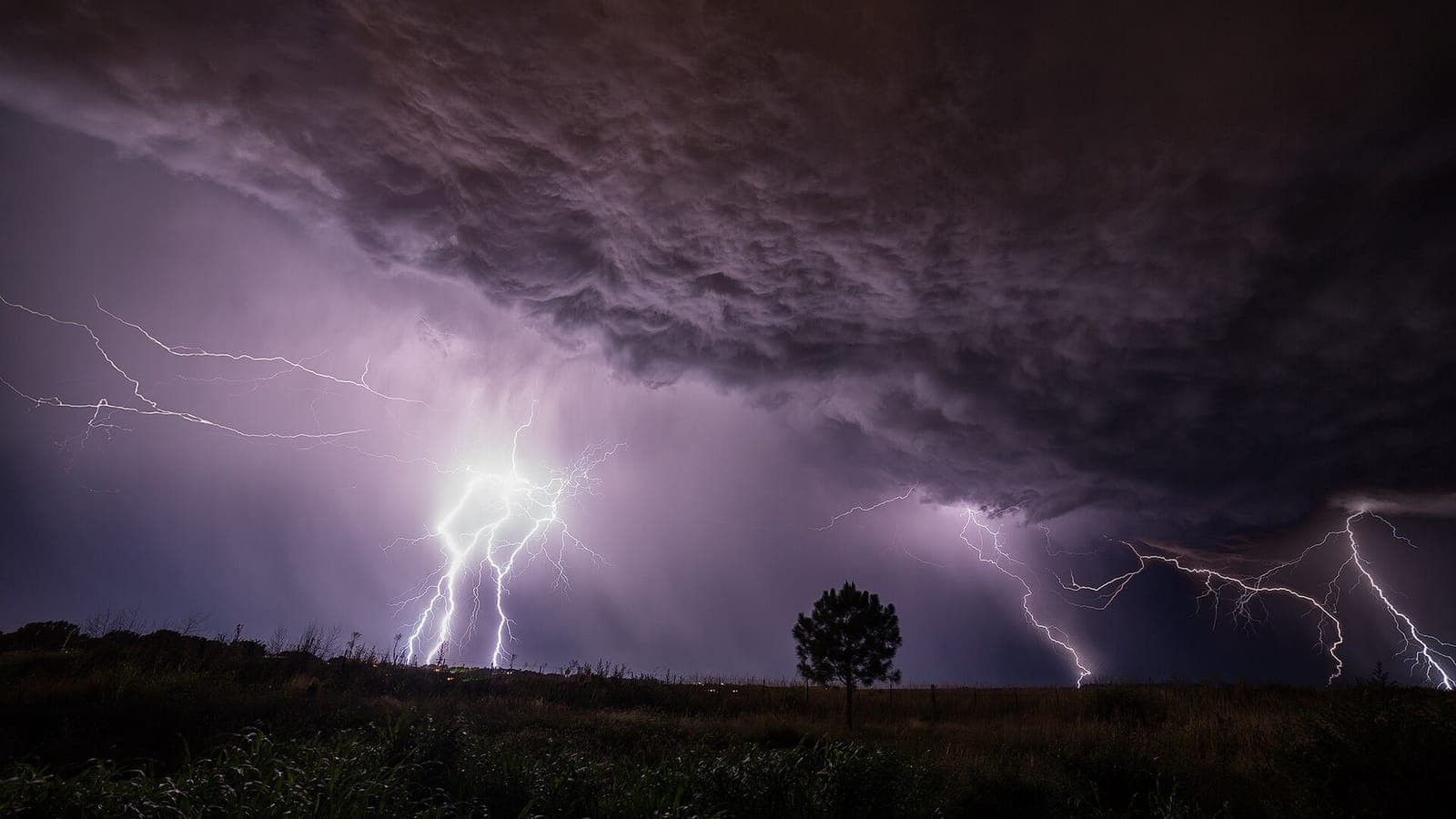
Every region has a wind it talks about, and in Argentina it is the pampero. It sweeps in from the south-west across the vast grasslands of the Pampas, often after days of oppressive heat, and arrives as a squall line of cloud, dust and thunder. Behind it comes dry, cool, crystal-clear air, which is why Argentines say the pampero ‘cleans’ the sky.
Born in Patagonia
The pampero is a cold-front wind. Its raw material is cool, dry air from Patagonia and the southern ocean, pushed northwards by a high-pressure system moving in behind a cold front. As that front advances across the flat, treeless Pampas there is nothing to slow it down. The contrast between the warm, humid air that has been building up over the plains and the cold air behind the front is what gives the wind its violence: the denser cold air undercuts the warm air and shoves it upwards.
The name simply means ‘from the Pampas’, and it was already in use in colonial times. The wind can blow in any season, but the most dramatic pamperos follow the heat of late spring and summer, when the contrast between the two air masses is sharpest. It affects all of central Argentina and Uruguay, and its effects are felt across the Río de la Plata in Montevideo and even in southern Brazil, where the same cold air arrives a day later.
Dirty or clean
Argentines distinguish two kinds. The ‘pampero sucio’, the dirty pampero, is the dramatic one: its leading edge raises a rolling wall of dust and dry topsoil from the fields, sometimes darkening the sky in the middle of the afternoon, and it is often accompanied by violent thunderstorms and hail. The ‘pampero limpio’, the clean pampero, is what follows, or what arrives when the front is weaker: a steady, brisk, dry wind under a sky of unusual clarity, with visibility stretching for many kilometres.
The moment of arrival is the memorable part. A sultry afternoon with temperatures in the mid-thirties gives way, in the space of a quarter of an hour, to gusting wind, a curtain of rain and a fall of ten degrees or more. Then the rain stops, the clouds peel away to the north-east and the evening is suddenly cool and dry enough for a jacket. The pampero can blow for a day or two before it eases and the heat slowly builds again.
Terror of the Río de la Plata
The wind's reputation was made on the water. The Río de la Plata is wide but shallow, and a sudden south-westerly squall turns it into a short, steep, dangerous sea within minutes. In the age of sail, ships anchored off Buenos Aires or Montevideo could be caught with their canvas up and driven onto the banks. Nineteenth-century sailing directions and travellers' accounts warn repeatedly of the pampero.
The pampero also has a famous opposite. When the wind swings to the south-east and blows for days across the estuary, it pushes water back towards Buenos Aires and floods the low-lying riverside districts. That wind is the ‘sudestada’, and it is the one the city fears most for its floods. The pampero, by contrast, lowers the water level, sometimes leaving the port with too little depth. Between the two, the Río de la Plata has a weather all of its own.
The wind in the culture of the plains
Few winds have been written about so lovingly. The naturalist W. H. Hudson, who grew up on the Pampas in the nineteenth century, described the wind sweeping over the grassland in his memoir ‘Far Away and Long Ago’, and the pampero runs through gaucho poetry and folk songs. For the estancias it was, and is, a working reality: it dries the soil, scatters loose hay and can flatten a maize field, but it also brings relief from heat and, behind the front, the clear days that ripen the wheat.
Today the arrival of a pampero is forecast days ahead. Satellite images show the cold front lining up across Patagonia, and the national weather service issues alerts for strong winds and storms across Buenos Aires province. That has taken away much of the danger, though not the drama. Football matches are still interrupted, dust still blows through the streets of small towns, and the next morning Buenos Aires wakes to air so clear that the far shore of the river seems closer than usual.
If you are in Buenos Aires on a heavy, humid summer afternoon and the sky in the south-west turns the colour of slate, you are about to meet the pampero. Take cover for half an hour, then step outside: the air will be cool and clean, and the evening light over the river will be as sharp as it ever gets.

 China
China
 France