
 Australia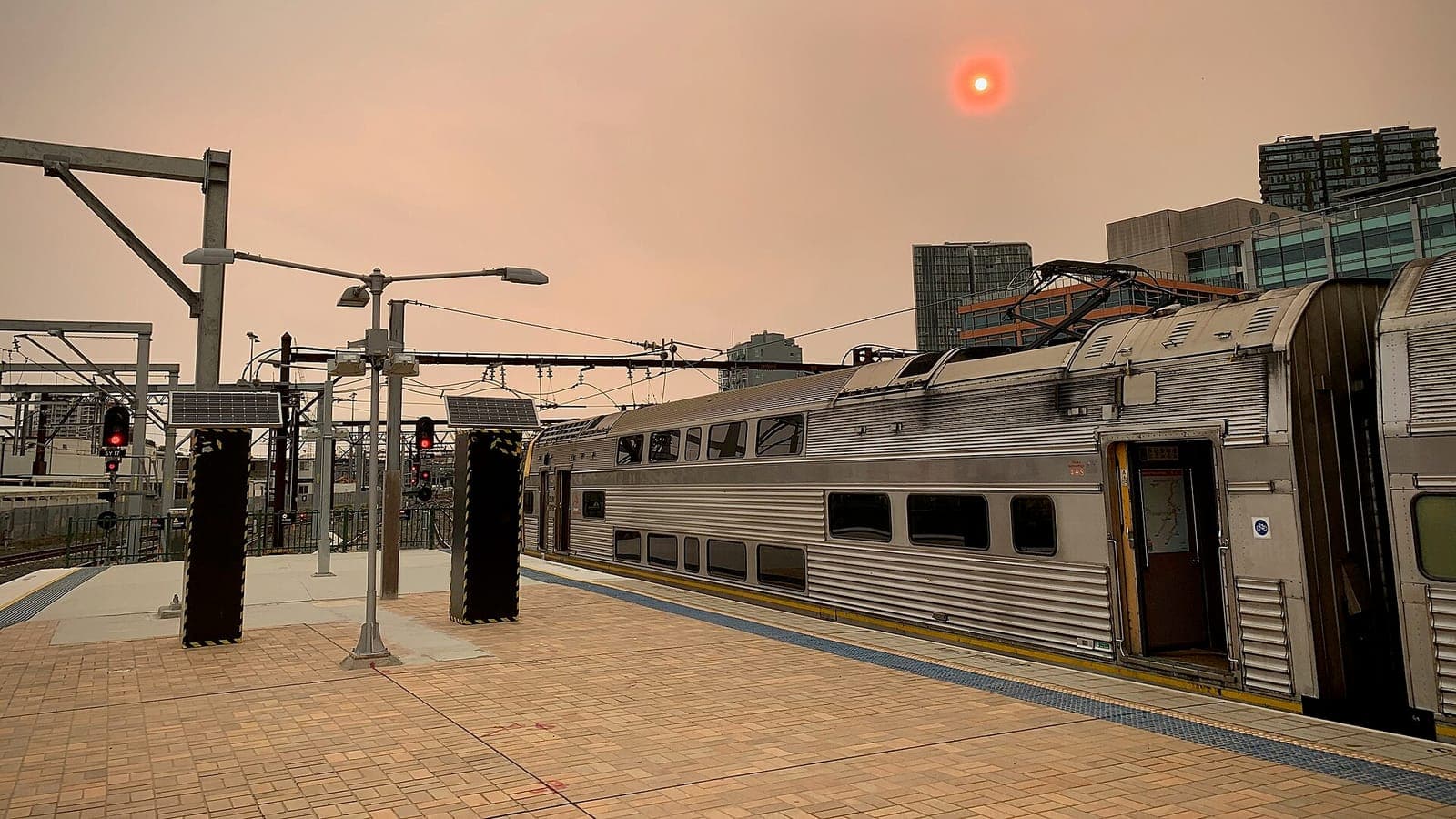
Australians are used to bushfires. What they were not used to was a season that began in winter, ran until late summer and burned through forests that normally never burn at all. The fires of 2019–20 became known as Black Summer, and their story begins thousands of kilometres from any flame, in the temperature of the sea off the coast of Africa.
The driest year Australia has ever measured
By the spring of 2019, much of eastern Australia had been in drought for close to three years. Rivers in the Murray–Darling Basin had stopped flowing in places, towns were trucking in drinking water, and the eucalypt forests along the Great Dividing Range were carrying a load of dead, dry fuel that had not been wetted properly in seasons. The Bureau of Meteorology would later confirm that 2019 was both the hottest and the driest year in Australia’s records, which reach back to 1900 for rainfall and 1910 for temperature.
The heat peaked in the middle of December. On 18 December 2019 the average maximum temperature across the whole country reached 41.9 °C, the highest national figure ever recorded, beating a mark set only the day before. Fires that had been burning in New South Wales and Queensland since September were now joined by new outbreaks in Victoria, South Australia and Tasmania. The stage had been set not by a single hot week, but by a whole year in which the rain simply refused to come.
The Indian Ocean Dipole, explained
Most people have heard of El Niño in the Pacific. Fewer know that the Indian Ocean has a similar mood swing of its own, described by scientists in 1999 and called the Indian Ocean Dipole, or IOD. In its positive phase, the sea surface off East Africa becomes unusually warm while the waters off Sumatra and Java turn unusually cool. Rain clouds form over warm water, so the wet weather shifts west towards Africa, and the moist air that would normally drift south-east over Australia never arrives.
In 2019 the dipole swung strongly positive, one of the strongest events since measurements began. It lined up with a second unusual ingredient: in late winter, the air high above Antarctica warmed suddenly, nudging the belt of westerly winds north and pushing hot, dry air out of the continent’s interior towards the east coast. With the Pacific sitting neutral, there was no La Niña to bring relief. The Indian Ocean had, in effect, switched off Australia’s spring rain.
When the fires made their own weather
The Gospers Mountain fire north-west of Sydney grew into what was called a mega-fire, burning around half a million hectares of the Blue Mountains region. On New Year’s Eve, fire cut off the coastal town of Mallacoota in Victoria, and thousands of residents and holidaymakers sheltered on the beach under a sky that turned black at midday and then deep red. In the following days the Royal Australian Navy evacuated people by ship, an operation with few precedents in the country’s history.
The fires were so intense that they generated their own thunderstorms. Rising columns of superheated air formed pyrocumulonimbus clouds, which produced lightning, erratic winds and new ignitions kilometres ahead of the fire front. Smoke drifted across the Tasman Sea and stained the snow on New Zealand’s glaciers, then circled the Southern Hemisphere. In early January 2020, Canberra recorded some of the worst air quality of any city in the world, and the smoke haze was visible from space as a plume stretching over the Pacific.
The reckoning, and the rain
By the time the season ended, the fires had burned somewhere between 18 and 24 million hectares, depending on how the count is done, and destroyed around 3,000 homes. Thirty-three people died in the fires themselves, and studies later estimated that hundreds more died from the effects of smoke. One widely quoted estimate put the number of animals killed or displaced at around three billion, including koalas, wombats and gliders in forests that may take decades to recover.
What finally ended Black Summer was not firefighting but weather. In February 2020 the pattern flipped, and a band of intense rain drenched the east coast; Sydney recorded its heaviest rainfall in roughly thirty years, and fires that had burned for months went out within days. A Royal Commission followed, and scientists have since pointed to the Indian Ocean Dipole and a warming climate as key to understanding what happened.
Visitors to Australia today still see the roadside fire-danger signs, the total fire ban days and the black trunks of eucalypts sprouting fuzzy green shoots from their bark. Locals now read the Bureau’s spring outlook for the Indian Ocean Dipole the way farmers once looked at the sky, because the difference between a wet summer and a Black one can be decided months in advance.

 Germany
 Greece