
 India
India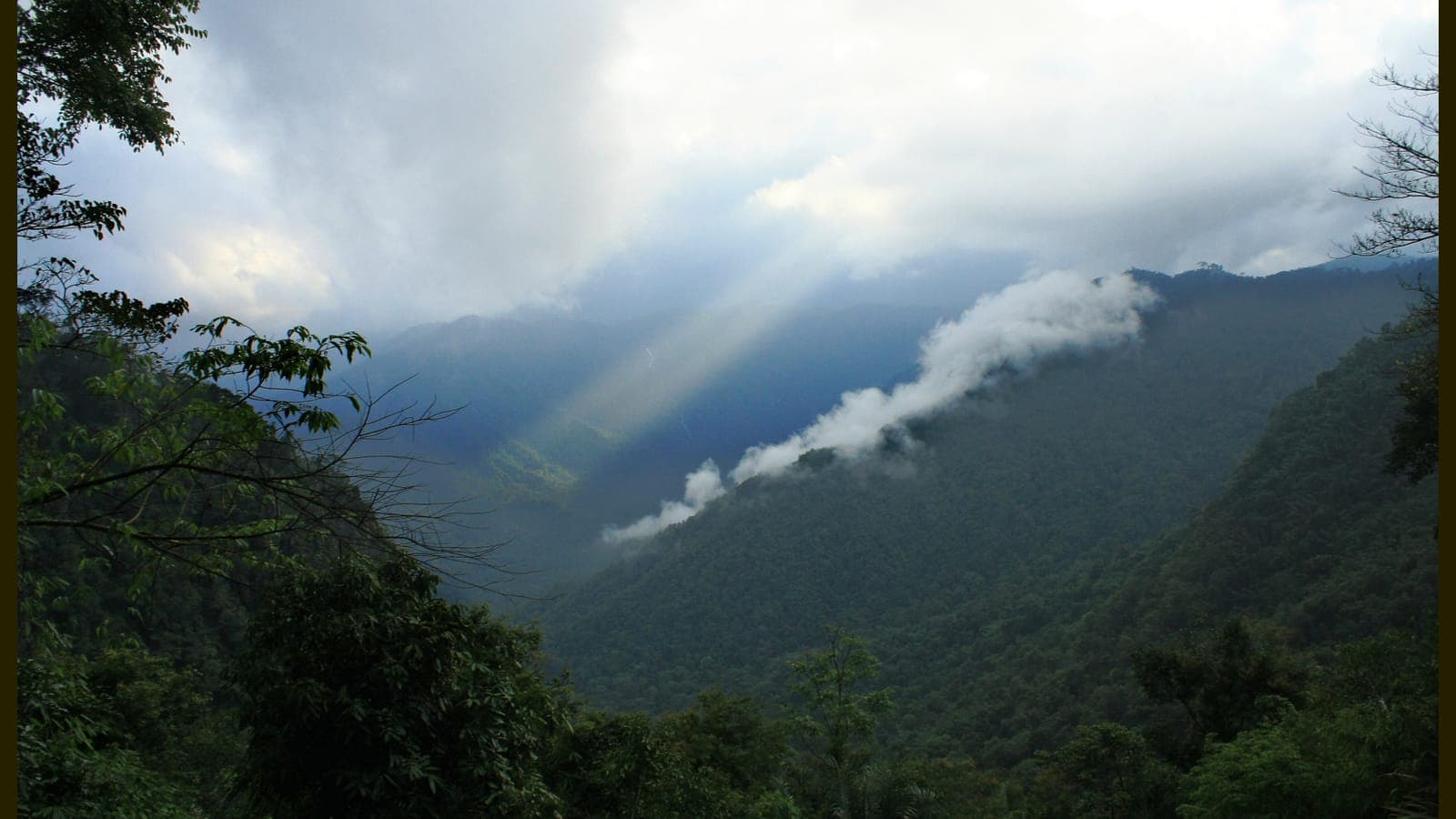
No other weather event touches as many lives as India's southwest monsoon. For roughly four months each year, moist ocean winds sweep across the subcontinent, filling rivers, reservoirs and rice paddies. Its arrival is front-page news, and its failure can shake the entire economy.
A wind that changes sides
The word monsoon comes from the Arabic mawsim, meaning season, and the phenomenon is at heart a seasonal reversal of the wind. In winter, dry air flows from the Asian interior out towards the sea. As spring advances, the Indian subcontinent and the high Tibetan Plateau heat up far faster than the surrounding ocean. Warm air rises over the land, pressure falls, and by early summer the winds swing round to blow from the southwest, carrying enormous amounts of moisture picked up over the Indian Ocean.
Sailors understood this rhythm long before meteorologists did. Arab, Greek and Indian traders timed their voyages across the Arabian Sea to the seasonal winds, sailing to India on one monsoon and home on the other. Today we know that the moist flow splits into two main branches: one crosses the Arabian Sea and strikes India's west coast, while the other curves up the Bay of Bengal towards the northeast and is then steered westward along the great wall of the Himalayas.
The march from Kerala
The monsoon's official arrival on the Indian mainland is declared over Kerala, at the southern tip of the country, with a normal onset date of around 1 June. Meteorologists look for a combination of widespread rain, strengthening westerly winds and deep cloud before they make the call. From there the rain belt advances northward in pulses rather than a smooth line, sometimes stalling for a week or more, before normally covering the whole country by early July.
Geography decides where the water falls. When the Arabian Sea branch meets the Western Ghats, the mountains force the air upward and wring torrential rain out of it on the coastal slopes, while the Deccan Plateau behind them lies in a much drier rain shadow. In the northeast, the Bay of Bengal branch runs into the Khasi Hills of Meghalaya, where Cherrapunji and neighbouring Mawsynram are counted among the wettest places on Earth.
The rain that sets the harvest
Between June and September India receives roughly three-quarters of its annual rainfall. Much of the country's farmland still depends directly on rain rather than irrigation, so the monsoon decides when farmers can sow the summer, or kharif, crops such as rice, cotton, soybeans and pulses. The same rains recharge groundwater and fill the reservoirs that supply cities, fields and hydropower plants through the long dry months that follow.
Because so much depends on it, the India Meteorological Department issues its first long-range forecast for the season in April, and farmers, markets and governments follow every update. Each season is measured against a long-term average, and years that fall well short are remembered as droughts; 2002 and 2009 were severe examples. Scientists have found that El Niño years in the Pacific tend to weaken the Indian monsoon, although the link is far from perfect.
Breaks, deluges and the long retreat
The monsoon is not steady rain. Active spells alternate with breaks, when the rain belt shifts towards the Himalayan foothills and large parts of India turn hot and sticky again. And when it is active, it can be brutal. On 26 July 2005 Mumbai received close to a metre of rain in a single day, paralysing the city, and in August 2018 exceptionally heavy rain caused Kerala's worst floods in almost a century.
From around mid-September the monsoon begins to withdraw from northwestern India, pulling back across the country over the following weeks. Its end brings a twist. As the winds reverse and blow from the northeast, they pick up moisture over the Bay of Bengal and deliver the main rainy season to Tamil Nadu and the southeast coast between October and December. Chennai, unlike most of India, gets the bulk of its rain in these months.
Visit India in late May and you can feel the whole country holding its breath: heat, haze and dust, and newspapers tracking the clouds off Kerala. When the first heavy downpour arrives, temperatures drop, streets flood, umbrellas appear everywhere and the land turns green within days. For residents it is both relief and routine, a season of chai, fried snacks and soaked commutes that has shaped Indian life for millennia.

 Netherlands
 Singapore