
 Ireland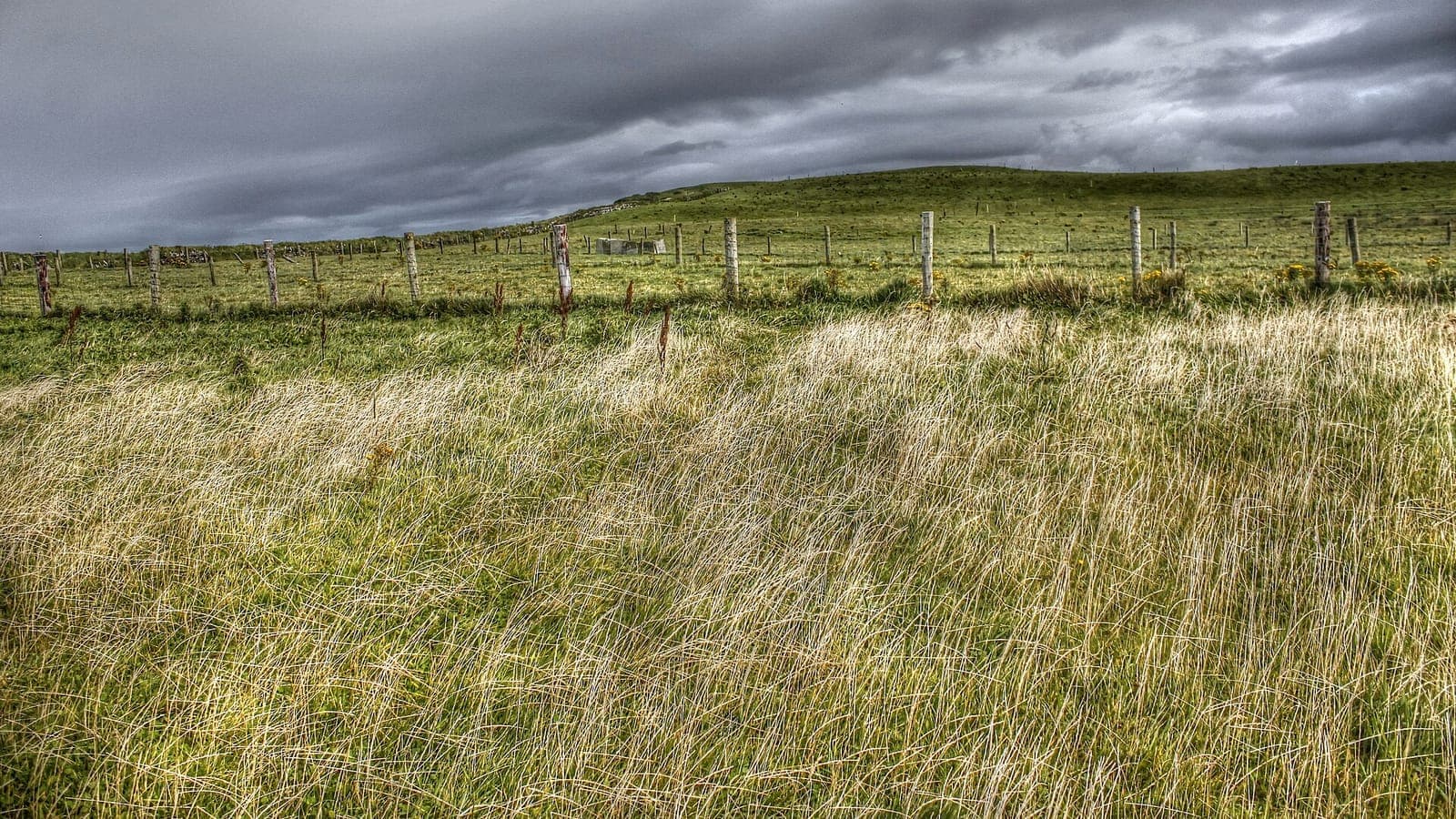
The Irish call it Oíche na Gaoithe Móire, the Night of the Big Wind. On 6–7 January 1839 a violent Atlantic storm swept across the whole island, and for generations afterwards people measured time by it. It is still the benchmark every Irish storm is compared with.
An eerie calm on Little Christmas
6 January is the Feast of the Epiphany, known in Ireland as Little Christmas or Women's Christmas, the day the festive season quietly ends. In 1839 it began strangely. Snow had fallen in parts of the country, but during the day the air turned unusually mild and still, almost oppressively so. Contemporary accounts describe a heavy, silent atmosphere, with smoke rising straight up from chimneys and barely a breath of wind.
Out over the Atlantic, meanwhile, a deep depression was racing towards Ireland. Warm, moist air had been drawn north against cold air from the Arctic, the classic recipe for an explosive winter storm. There were no weather maps, no telegraph warnings and no forecasters in 1839. As darkness fell, the wind began to rise from the south-west, and by midnight it had become a roaring gale that nobody alive had experienced before.
A night of destruction
The storm hit the west first, then tore across the midlands to Dublin and the east coast. Thatched roofs were stripped off, stone walls collapsed and church spires fell. Worst of all, the gale blew embers from open hearths into the straw, so many houses that survived the wind were lost to fire. Athlone, Galway and Dublin all suffered heavy damage, and whole stretches of woodland were flattened.
Estimates of the death toll usually range between roughly 250 and 300 people, though nobody knows the exact figure. Many were killed by falling masonry, others drowned as ships were wrecked along the coasts. Witnesses reported salt spray carried far inland, leaving hedges and windows crusted white miles from the sea. Thousands of homes were damaged or destroyed, and for many poor families the loss of a roof in mid-winter was a disaster in itself.
The storm that became a calendar
In rural Ireland, where few people could read and births were rarely written down, the Big Wind became a fixed point in time. People dated events as happening before or after it, and old folk tradition held that the Day of Judgment would come on the Feast of the Epiphany. On that terrifying night, many families were convinced the end of the world had arrived.
The storm even found its way into law. When old-age pensions were introduced under the Old Age Pensions Act of 1908, applicants had to prove they were over seventy, but civil registration of births only began in Ireland in 1864. Officials therefore sometimes asked a simple question: do you remember the Night of the Big Wind? A clear memory of it was taken as good evidence of age.
Why Ireland lies in the storm track
Ireland is the first land that Atlantic depressions reach after crossing thousands of kilometres of open ocean. In winter the jet stream is at its strongest, steering storm after storm towards north-western Europe, and the temperature contrast between polar and subtropical air gives them energy. Some deepen so quickly that meteorologists call it explosive cyclogenesis, and the 1839 storm was almost certainly one of these.
Since 2015 Met Éireann has named major storms together with the UK Met Office. Ex-hurricane Ophelia in October 2017 was one of the most severe in modern times. Then, in January 2025, Storm Éowyn brought a red warning for the entire country and a gust of 183 km/h at Mace Head in County Galway, a new Irish record. Many compared it to the Night of the Big Wind.
Walk along the Atlantic coast of Clare, Galway or Mayo in winter and you feel what shaped the Big Wind: salt in the air, trees bent permanently eastwards and low houses tucked into the landscape. Storm warnings from Met Éireann are now taken very seriously, and when a red warning comes, many Irish grandparents still reach for the same comparison: 1839.

 Mexico
 Sweden