
 Morocco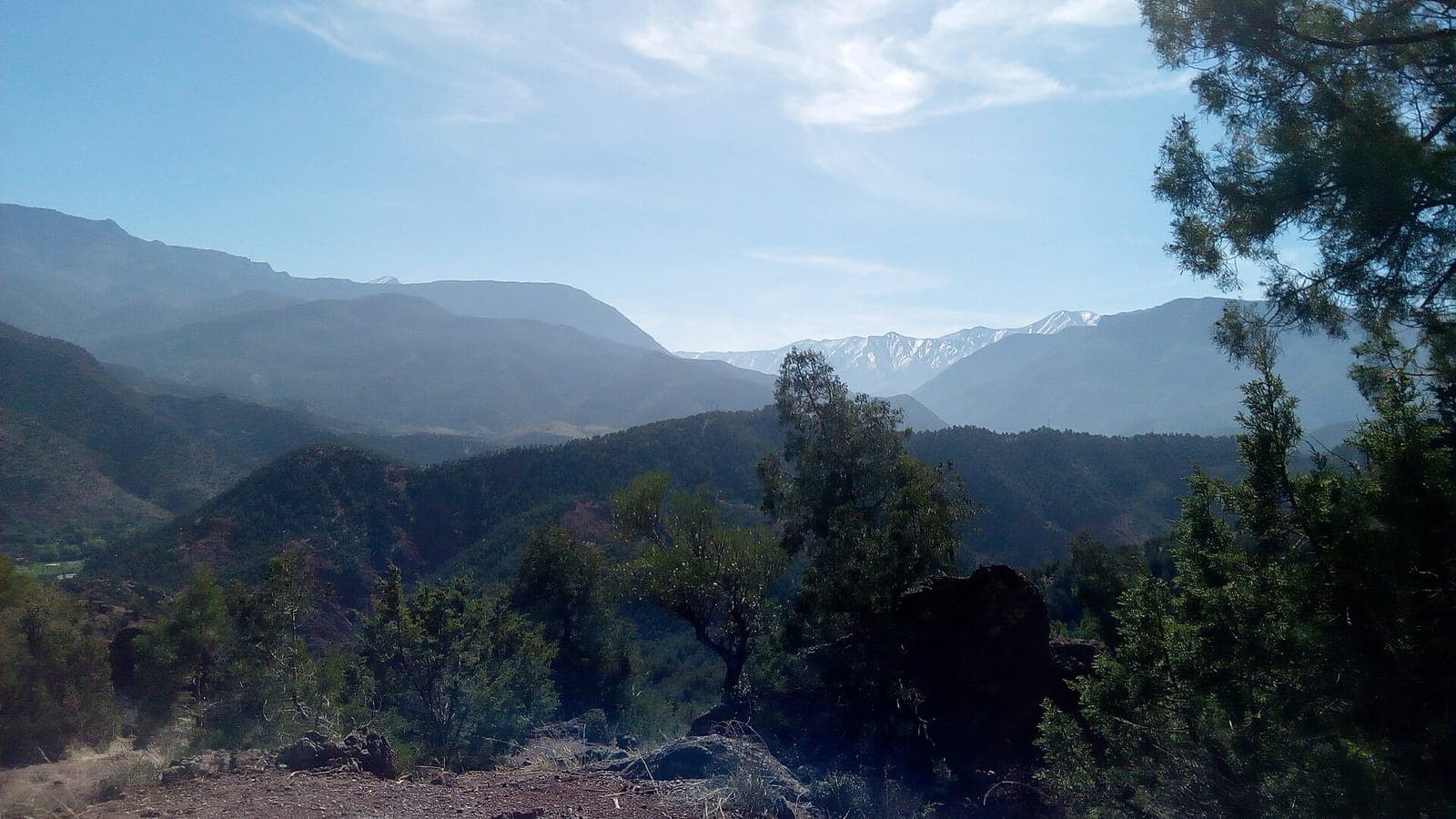
Most of the year, Morocco's weather is shaped by the Atlantic: cool currents, steady sea breezes and snow on the High Atlas in winter. But a few times each summer the air starts flowing the other way, out of the Sahara. Moroccans call that wind the chergui, and when it blows, nobody has to ask why the streets are empty at noon.
A wind named after the east
Chergui comes from the Arabic word sharqi, meaning "eastern", and the name says almost everything. It is a hot, very dry wind that blows from the east or southeast, out of the Sahara and toward the Atlantic. It belongs to a family of desert winds found all around the Mediterranean: Italians call their version the sirocco, Libyans the ghibli, Egyptians the khamsin. Each is the same basic idea, air that has spent days over baking sand and rock before a passing weather system pulls it north or west.
The chergui is most common in summer, but it also turns up in spring and autumn, when it arrives as a strange warm spell out of season. It typically sets in when high pressure lies over the western Mediterranean or Iberia while a low sits to the southwest, off the Moroccan coast. The difference in pressure drives a flow from the hot interior toward the ocean. An episode can last a single afternoon or linger for several days, and during it the humidity can fall to levels more typical of the open desert.
When the sea breeze loses
In summer, Morocco's Atlantic coast is normally one of the most comfortable places in North Africa. The cold Canary Current runs south along the shore, and steady northerly trade winds push cool, moist air inland. That is why Essaouira, famous for its wind, stays pleasantly mild while the interior swelters, and why morning fog so often hangs over Casablanca and Rabat. The chergui turns this arrangement around. Instead of ocean air flowing onto the land, desert air flows out to sea, and the coast loses its natural air conditioning.
The mountains add a twist. Air that crosses the Atlas and sinks down the western slopes is compressed as it descends and warms even further, the same föhn effect known from the Alps. This is how coastal cities can briefly become hotter than towns deep inland. On 11 August 2023, during a chergui episode, Agadir recorded 50.4 °C, the highest temperature ever measured in Morocco. The national record went not to a desert oasis but to a beach resort on the Atlantic, a place tourists usually visit to escape the heat.
Marrakech under a hot breath
Marrakech lies on the Haouz plain, north of the High Atlas and far enough from the ocean that summer is always hot, with typical July afternoons in the high thirties. A chergui pushes it further, often into the mid-forties, and the dry wind feels less like a breeze than like air from an open oven. Shopkeepers in the souks pull down their shutters in the early afternoon, and the rhythm of the city shifts toward evening, when Jemaa el-Fna square fills with food stalls, musicians and crowds once the heat has eased.
The old city was built for exactly this. Riads turn their backs on the street and open inward onto shaded courtyards, often with a fountain and trees that cool the air as water evaporates. Thick walls of rammed earth and brick take up the day's heat slowly, and the narrow, winding lanes of the medina stay in shade for much of the day. Loose, long clothing such as the djellaba is a sensible answer to hot, dry wind as well. It is centuries of experience with the chergui, written into buildings and daily habits.
Dust, fire and thirsty fields
The chergui carries more than heat. It lifts fine Saharan dust and spreads it across the country, turning the sky milky white or pale orange and hiding the Atlas peaks that are normally visible from Marrakech. On strong days the dust plume can drift out over the Canary Islands and even reach southern Europe. For people with sensitive lungs these hazy days are unpleasant, and drivers and pilots have to cope with reduced visibility, sometimes for hours at a time.
For the countryside the wind is harder still. Very low humidity and high temperatures dry out vegetation within hours, and many of Morocco's summer forest fires, in the Rif and in the cedar and cork oak forests of the north, break out or spread on chergui days. Farmers dread it at the wrong moment of the season: a hot, dry blast while cereals or olives are ripening can shrivel a crop that looked promising only a week earlier. In a country already strained by drought, chergui is a weather word everyone knows.
Today you notice the chergui before any forecast mentions it: the sky over Marrakech turns hazy, the Atlas disappears and the air feels dry on your lips. Locals slow down, drink their mint tea in the shade and move the day into the cool of the evening. On the coast, an unusually hot morning in Agadir or Rabat is the giveaway that the wind has swung east and the desert has come to visit.

 Romania
 South Africa