
 South Africa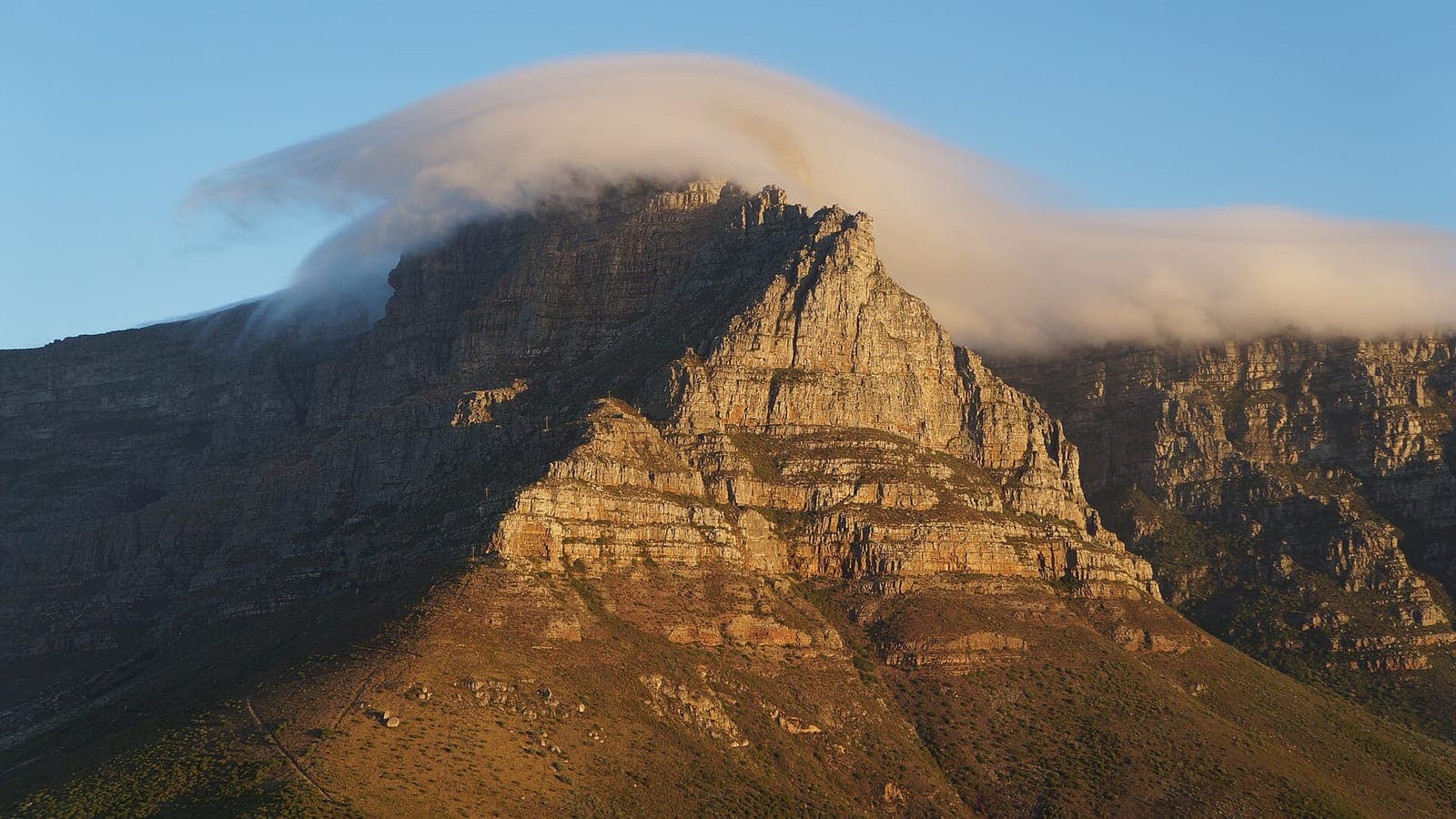
Cape Town sits on a peninsula where two oceans meet and a mountain rises straight out of the city. In summer that geography becomes a wind machine. The result is the Cape Doctor, a south-easterly gale that locals curse, kitesurfers adore and the city could not be itself without.
A wind with a prescription
The Cape Doctor is the local name for the strong, dry south-easterly wind that blows across the Cape Peninsula through the southern summer, roughly from September to March. The nickname dates from the colonial era, when residents believed the wind swept the settlement's foul air, smoke and ‘pestilence’ out to sea, keeping the town healthier than it had any right to be. Whether or not it cured anything, it certainly cleared the streets, and the name stuck. Generations later, Capetonians still use it, usually with a sigh.
Today the belief survives mostly as a wry joke. Capetonians will tell you the Doctor is on duty when bins roll down the road, restaurant umbrellas take flight and the cableway to Table Mountain hangs its ‘closed’ sign. Gusts regularly reach gale force and can exceed 100 km/h on exposed points. It can blow for days without a break, then vanish overnight, leaving a still, hot, glittering city that seems to have forgotten the whole thing ever happened.
Where it comes from
The engine behind the Doctor sits far out to sea. In summer the South Atlantic High, a vast area of high pressure, shifts south and ridges around the southern tip of Africa. Air spilling anticlockwise off its edge arrives at the Cape from the south-east. When a low-pressure trough sits over the hot interior at the same time, the pressure difference tightens and the wind strengthens. The mountains of the peninsula then funnel and accelerate it, which is why the city bowl and the False Bay coast get the worst of it.
Winter tells the opposite story. The high retreats north, and cold fronts from the Southern Ocean sweep in with north-westerly gales and rain, giving Cape Town its Mediterranean-style wet winter. That is the weather that greeted Bartolomeu Dias in 1488 and earned the headland its first name, the Cape of Storms, before Portugal's king renamed it the Cape of Good Hope. Summer south-easter, winter north-wester: the two winds bracket the year, and locals can read the season by which way the trees are leaning.
The tablecloth
The Doctor's signature is the cloud it lays on Table Mountain. Moist air from False Bay is pushed up the mountain's southern slopes, cools as it rises and condenses into a smooth white sheet that pours over the flat summit, just over 1,000 metres high, and down the northern cliffs, evaporating before it reaches the city. The ‘tablecloth’ can form within an hour and hang there all afternoon, a clear sign to anyone below that the south-easter is blowing hard on top.
Cape Town has a story for it. The legend tells of Van Hunks, a retired pirate who liked to smoke his pipe on the slopes of Devil's Peak, and who was challenged one day by a stranger to a smoking contest. The stranger turned out to be the devil himself, and the clouds of their endless duel are said to be the tablecloth still billowing over the mountain. It is a good tale and a useful one: when the cloth is on the table, hikers stay off the ridges.
Doctor or menace
The wind shapes the city in ways beyond weather. The sheltered Atlantic beaches at Clifton and Camps Bay fill up on south-easter days, while the sea there stays famously cold, because the same wind pushes surface water offshore and pulls up chilly water from the deep, the upwelling that feeds the rich Benguela current. Across the bay, kitesurfers at Bloubergstrand count on the Doctor for some of the most reliable wind on Earth. The same gusts fan summer fires in the fynbos, turning a spark on the mountain into an emergency within minutes.
The city's most anxious weather chapter had little to do with wind. After three failed winter rains, Cape Town in early 2018 announced ‘Day Zero’, the date on which taps would be turned off and residents would queue for a daily ration. Fierce water saving and the eventual return of the winter rains pushed the date back and finally off the calendar. The episode was a reminder that the Cape's climate is a balance of two seasons, and that the Doctor's clear summer skies come at the price of a dry land.
Stand on the Sea Point promenade on a summer afternoon and you will feel it: a warm push at your back, a white cloth spilling over the mountain, sand stinging your ankles, and air so clean the far mountains look close enough to touch. Then the Doctor departs, and the city exhales.

 Canada
 Spain
Spain