
 Spain
Spain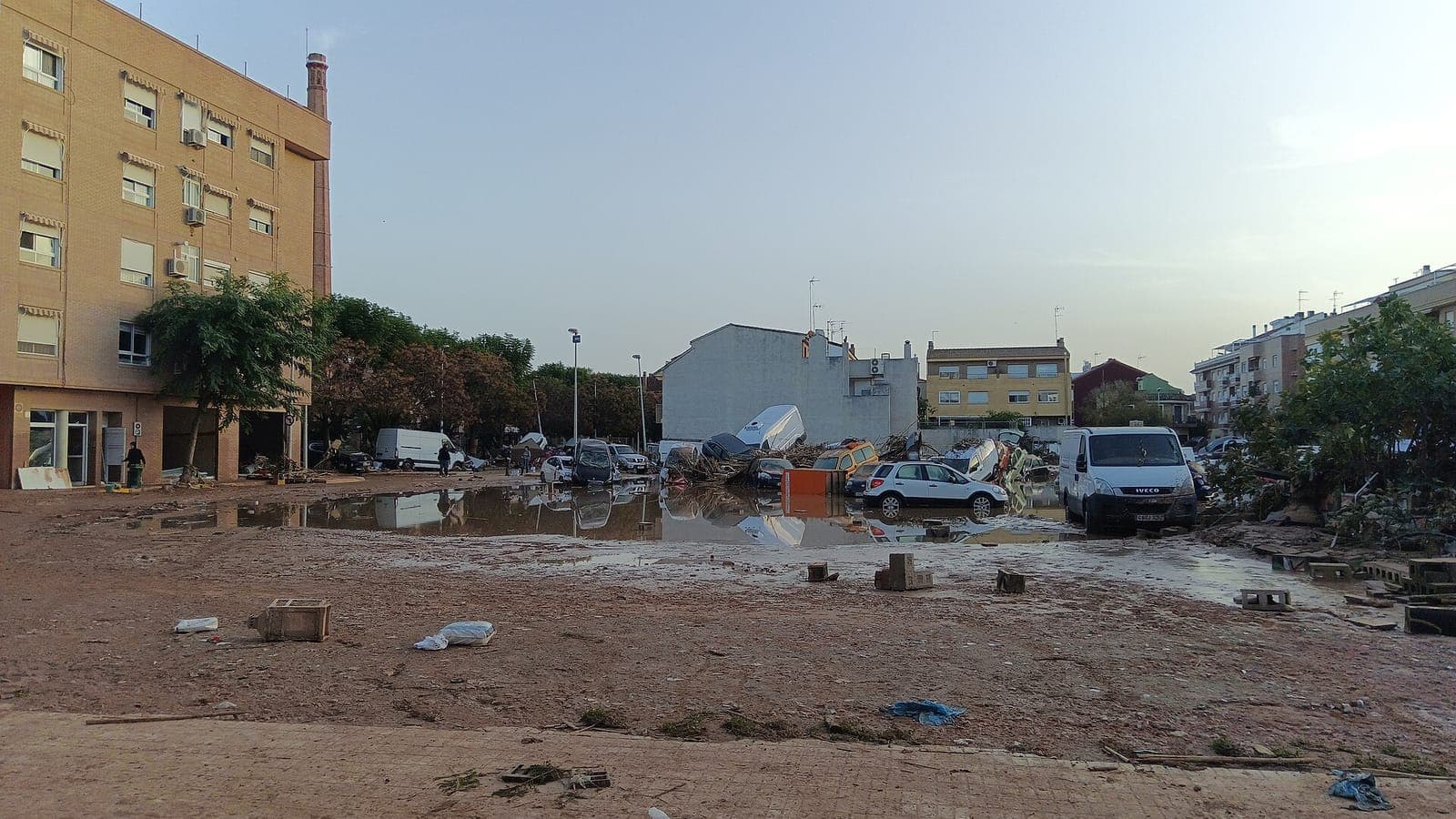
For most of the year the coast of Valencia lives up to its reputation: sun, dry riverbeds and orange groves. But the people who live there know that this calm has a price. Between September and November, a phenomenon Spaniards call the gota fría — the cold drop — can turn a dry ravine into a river and a river into a killer.
What a cold drop is
Meteorologists prefer the term DANA, short for depresión aislada en niveles altos: an isolated depression at high levels of the atmosphere. It forms when a tongue of cold air breaks away from the polar jet stream and drifts south, sitting several kilometres above the Iberian Peninsula. Cut off from the main flow, it can stay in place for days. On its own it is invisible from the ground; what matters is what lies beneath it.
In autumn the Mediterranean is still warm after a long summer. Easterly winds, the levante, carry this warm, moisture-laden air onto the coast, where the mountains behind Valencia and Murcia force it upwards. Above, the cold pocket makes the atmosphere violently unstable. The result is storms that can stand still over the same valleys for hours, dropping hundreds of millimetres of rain onto ground that has been baked hard all summer.
Valencia's long memory
The city of Valencia has flooded many times, but one date is engraved in its identity: 14 October 1957. The Turia, which then ran through the heart of the city, rose twice in a single day and swept through the streets, killing dozens and burying the historic centre in mud. The response was radical. The river was diverted south of the city through a new channel, the Plan Sur, and the old bed became a park. Today the Turia Gardens are the city's green spine — a riverbed with no river.
A generation later, on 20 October 1982, another cold drop struck further south. More than 500 millimetres of rain fell in the Júcar basin in a day, and the Tous dam, above the town of Alzira, gave way. A wall of water swept down the valley and flooded the towns of the Ribera. The pantanada de Tous, as it is still known, remains one of Spain's worst dam disasters and led to new rules on dam safety and flood warnings.
29 October 2024
The most recent disaster began as a forecast. Spain's meteorological agency, AEMET, issued a red warning for the province of Valencia on the morning of 29 October 2024. By early afternoon, storms had anchored themselves over the hills west of the city. At Turís, roughly 770 millimetres of rain fell in 24 hours, with more than 180 millimetres in a single hour — figures rarely seen anywhere in Europe. Ravines that had been dry for years turned into torrents.
The water reached the densely built southern suburbs of Valencia — Paiporta, Catarroja, Sedaví, Alfafar — after dark, arriving from a ravine, the Barranco del Poyo, that many residents had barely noticed. Thousands of cars were swept into piles, ground floors filled with mud, and an emergency alert reached phones only after the flood had already arrived. More than 220 people died, most of them in the province of Valencia. It was the deadliest flood in Spain in decades.
Learning to read the sky
The cold drop is not new; what has changed is the coast beneath it. Since the 1960s, the Mediterranean shore has filled with housing, roads and industrial estates, many built on or beside the ramblas — the dry channels that carry water only a few times a decade. A warmer sea adds fuel: every extra degree of surface temperature means more moisture in the air and heavier rain when a DANA finally arrives.
Valencia has begun to rethink its ravines, and the debate after 2024 has centred on warnings — not whether the forecast was right, but whether people were told in time to stay home and away from underground car parks. AEMET's red alert had been in place for hours. The lesson, repeated across the Mediterranean from Murcia to the Balearic Islands, is that in autumn a sunny sky is no guarantee, and that a phone alert is only useful if it arrives before the water.
Visitors who stroll through the Turia Gardens are walking on the bed of a river that once drowned the city, and the towns south of Valencia still carry brown marks on their walls from 2024. Autumn on Spain's east coast is usually glorious — but when the forecast turns red, locals know to take it seriously.

 Indonesia
 Morocco