
 Thailand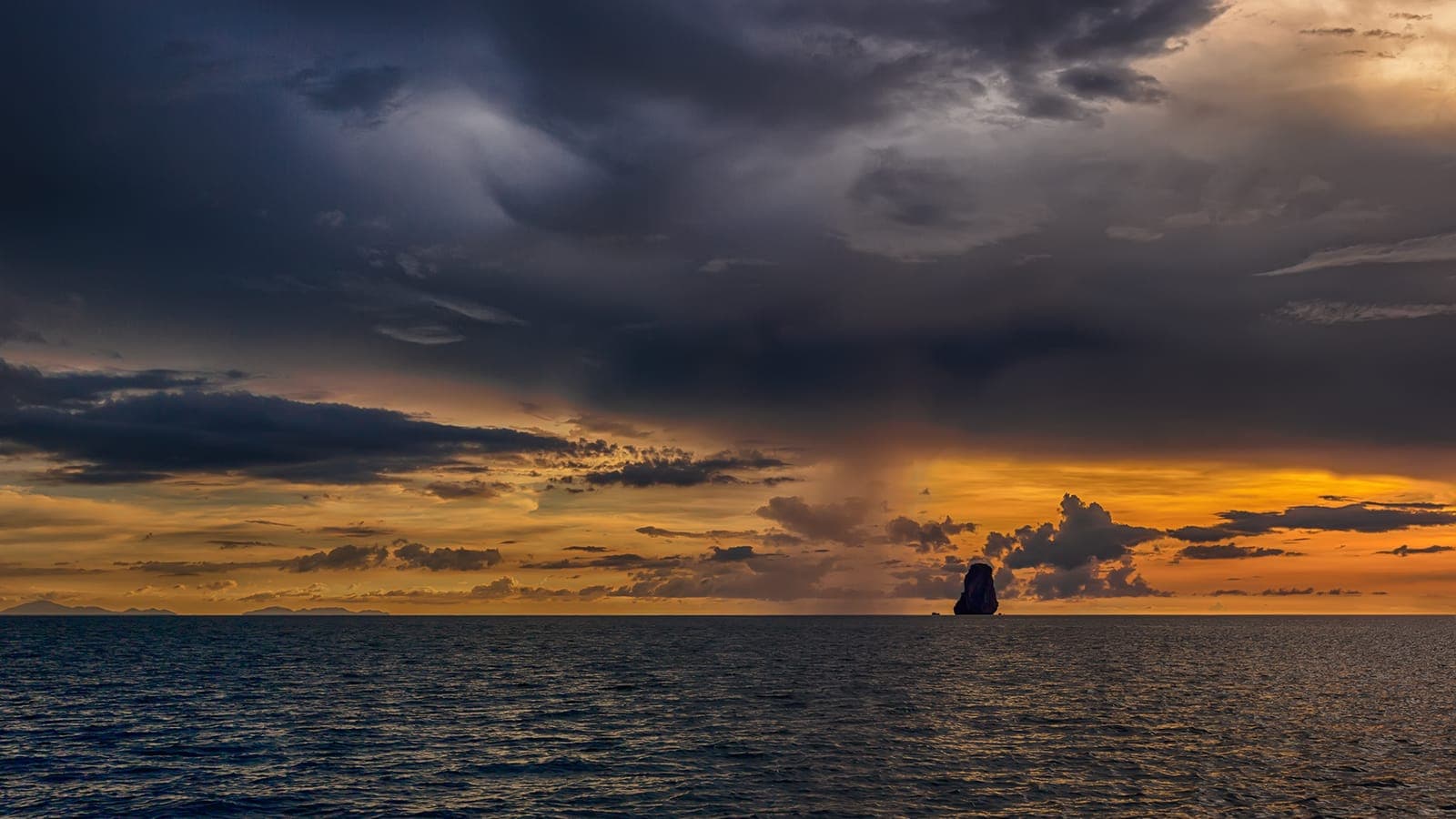
Ask two travellers when the rainy season is in Thailand and you may get two different answers, both correct. The country's weather is driven by the monsoon, a great seasonal reversal of wind, and a ridge of hills down the southern peninsula splits that wind into two opposite worlds.
Three seasons and one engine
Thailand has three seasons, not four. The hot season runs from roughly March to May, when the sun climbs overhead and the central plains and the northeast bake in temperatures that can pass 40 degrees before the rains break. Then comes the rainy season from about mid-May to October, and finally the cool, dry season from November to February, when Bangkok mornings turn pleasant and the mountains of the north can drop close to freezing at night. Behind all three lies a single engine: the monsoon, the seasonal reversal of wind between the Asian landmass and the oceans around it.
In late spring the interior of Asia heats up faster than the sea, drawing in air from the southwest across the Indian Ocean and the Andaman Sea. That air is loaded with moisture and reaches Thailand around the middle of May, usually with a burst of thunderstorms that farmers wait for before planting rice. From November the pattern reverses: the cooling continent exhales, and a dry northeast wind flows down out of China, bringing clear skies to most of the country. The Thai calendar, its festivals and its harvests all follow this rhythm.
Why Phuket and Samui disagree
The twist is in the south. Thailand's long peninsula has a spine of hills down its middle, with the Andaman Sea to the west and the Gulf of Thailand to the east. When the southwest monsoon blows from May to October, it hits the Andaman side first. Phuket, Krabi, Khao Lak and the Similan Islands take the brunt: heavy afternoon rain, rough seas, red flags on the beaches and dive boats tied up in harbour. The eastern side, sheltered behind the hills, gets far less, so Koh Samui, Koh Phangan and Koh Tao often enjoy sunny weeks while the west coast drips.
Then the wind turns. From October into December the northeast monsoon pushes moist air across the Gulf of Thailand and onto the eastern shore of the peninsula. Now it is Samui's turn: October and November are its wettest months, with days of rain and swollen seas, and Nakhon Si Thammarat and Surat Thani on the mainland can flood. Meanwhile the Andaman coast dries out, the sea flattens and the high season begins. Two groups of islands a few hours' drive apart run on opposite calendars, and travellers who know this simply cross the peninsula.
When the Gulf turns dangerous
The Gulf of Thailand usually lies too far from the typhoon tracks of the western Pacific to worry much, but a handful of storms have shown what it can do. In October 1962 Tropical Storm Harriet swept across the Laem Talumphuk spit in Nakhon Si Thammarat, drowning fishing villages and killing more than 900 people, the deadliest storm in Thailand's history. In November 1989 Typhoon Gay formed inside the Gulf itself, something forecasters had barely thought possible, and intensified rapidly before slamming into Chumphon province. Several hundred people died on land and at sea, including most of the crew of a drilling ship that capsized in the storm.
Both storms struck during the northeast monsoon, when the Gulf is already restless, and both hit coasts that were unprepared because storms of that strength were outside living memory. Since then Thailand has built up warnings, radar coverage and evacuation plans. In January 2019 Tropical Storm Pabuk crossed the same stretch of coast at an unusual time of year; resorts were emptied, ferries halted and the death toll stayed low. The lesson of Harriet and Gay had been learned.
Water in the city
Away from the coasts, the monsoon's biggest test is the Chao Phraya, the river that drains the central plains and flows through Bangkok. Every rainy season swells it. In 2011 an exceptionally wet monsoon, topped up by tropical storms passing over the north, filled the reservoirs and sent a slow wall of water south across the plains for months. Ayutthaya's old temples and its industrial estates went under, and Bangkok's northern suburbs flooded for weeks. More than 800 people died across the country, and factory closures rippled through global supply chains for hard drives and cars.
Bangkok itself sits barely above sea level on soft clay and can flood after any serious cloudburst even in a normal year; the city runs on canals, pumps and floodgates. Yet the same monsoon is celebrated. Songkran, the Thai New Year in mid-April, falls at the height of the hot season, and its famous water fights play on the relief the coming rains will bring. Loy Krathong in November floats candle-lit baskets on rivers that are full and calm precisely because the rains have just ended.
A visitor who checks the map before the calendar will always find a dry beach somewhere in Thailand. Residents read the sky the same way: the first southwest thunderstorm means it is time to plant rice, the first cool northeast morning means the rains are done. Every umbrella seller in Phuket and every dive shop on Koh Tao lives by the same switch.

 Austria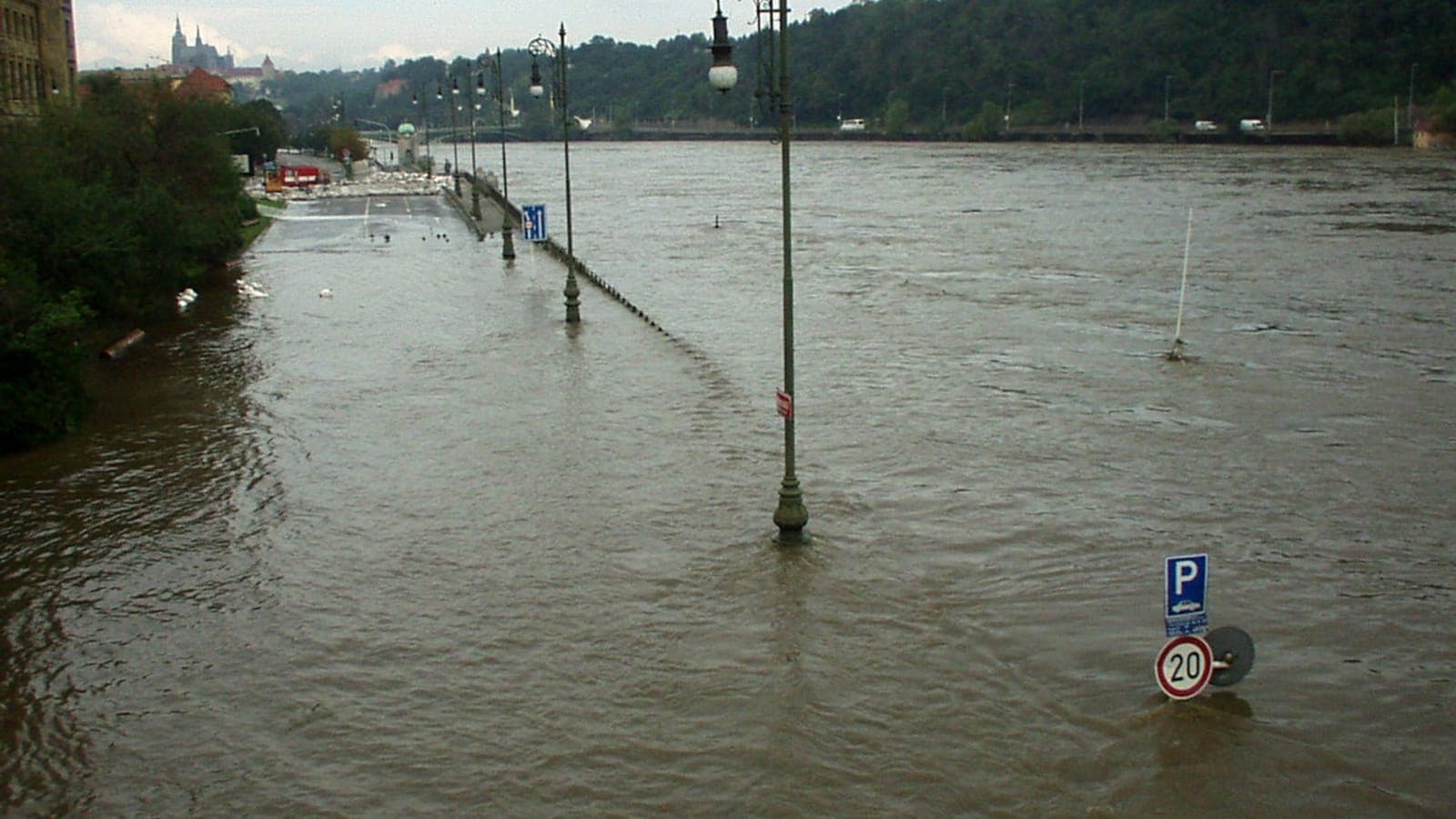
 Czechia